
Ensuring Biosecurity: The Aves Gold Rearing Process
- yogg protein
- Nov 25, 2025
- 3 min read

In the world of poultry farming, biosecurity is paramount. It serves as the first line of defense against diseases that can devastate flocks and impact the livelihood of farmers. The Aves Gold rearing process exemplifies a comprehensive approach to biosecurity, ensuring that every stage of poultry development is safeguarded. This blog post delves into the intricacies of the Aves Gold rearing process, highlighting its significance in maintaining healthy poultry and the measures taken to ensure biosecurity.

Understanding Biosecurity in Poultry Farming
Biosecurity refers to the measures taken to prevent the introduction and spread of harmful organisms, including viruses, bacteria, and parasites, within a farm. In poultry farming, biosecurity is essential for several reasons:
Disease Prevention: Protects flocks from infectious diseases that can lead to significant economic losses.
Health Maintenance: Ensures the overall health and productivity of the birds.
Consumer Confidence: Builds trust with consumers regarding the safety and quality of poultry products.
Key Components of Biosecurity
To effectively implement biosecurity, poultry farmers must focus on several key components:
Physical Barriers: Fencing and controlled access points help limit the entry of unauthorized personnel and animals.
Sanitation Protocols: Regular cleaning and disinfection of equipment, vehicles, and facilities reduce the risk of disease transmission.
Health Monitoring: Routine health checks and vaccinations for birds help identify and mitigate health issues early.
Education and Training: Ensuring that all staff are trained in biosecurity practices is crucial for maintaining a secure environment.
The Aves Gold Rearing Process
The Aves Gold rearing process is designed with biosecurity at its core. This process encompasses several stages, each carefully crafted to minimize risks and promote the health of the birds.
Stage 1: Hatchery Management
The journey begins at the hatchery, where eggs are incubated under controlled conditions. Key practices include:
Strict Hygiene Protocols: All equipment and surfaces are sanitized before and after use.
Temperature and Humidity Control: Maintaining optimal conditions for incubation reduces stress on the embryos and promotes healthy chick development.
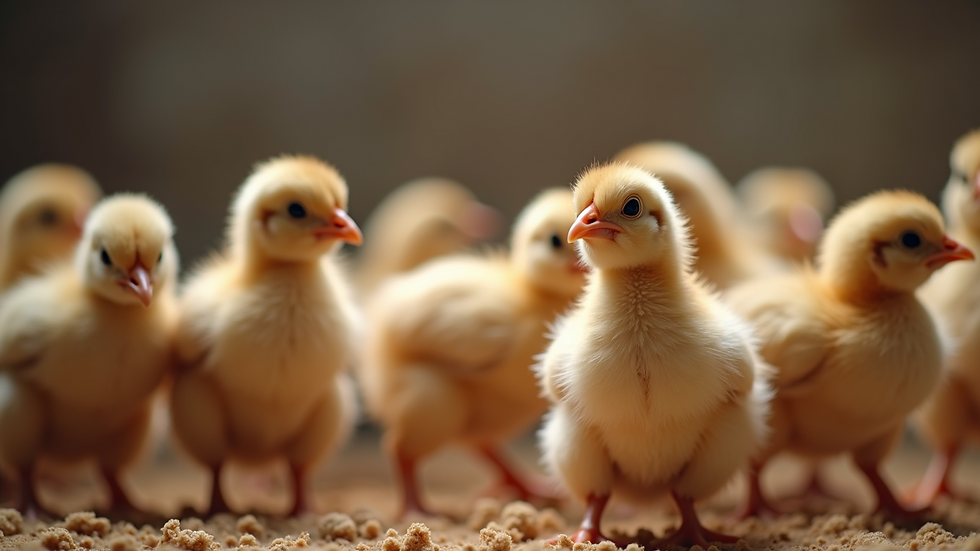
Stage 2: Brooding
Once the chicks hatch, they are transferred to a brooding area. This stage is critical for their early development. Important measures include:
Controlled Environment: Providing a warm, draft-free space with adequate ventilation helps prevent respiratory issues.
Biosecure Feed and Water: Ensuring that feed and water sources are clean and free from contaminants is vital for chick health.
Stage 3: Growing Phase
As the chicks grow, they are moved to larger housing. During this phase, biosecurity practices continue to be essential:
Regular Health Checks: Monitoring for signs of illness allows for quick intervention if needed.
Limit Contact with Outside Birds: Preventing exposure to wild birds reduces the risk of disease transmission.
Stage 4: Pre-Harvest Management
Before the birds are harvested, additional biosecurity measures are implemented:
Quarantine Procedures: Any new birds introduced to the flock undergo a quarantine period to ensure they are disease-free.
Final Health Assessments: Conducting thorough health checks ensures that only healthy birds are sent to market.
Practical Examples of Biosecurity Measures
Implementing biosecurity measures can vary based on the size and type of poultry operation. Here are some practical examples:
Footbaths: Installing footbaths at entry points to disinfect footwear can significantly reduce the risk of disease introduction.
Dedicated Clothing: Providing staff with farm-specific clothing and footwear helps prevent cross-contamination from outside sources.
Visitor Protocols: Establishing strict visitor protocols, including health screenings and restricted access, protects the flock from potential threats.
The Role of Technology in Biosecurity
Advancements in technology have greatly enhanced biosecurity measures in poultry farming. Some notable innovations include:
Automated Monitoring Systems: These systems track environmental conditions and alert farmers to any deviations that could affect bird health.
Data Analytics: Utilizing data analytics helps farmers identify trends and potential risks, allowing for proactive management.
Biosecurity Apps: Mobile applications provide farmers with resources and checklists to ensure compliance with biosecurity protocols.
Challenges in Maintaining Biosecurity
Despite the best efforts, maintaining biosecurity can be challenging. Some common obstacles include:
Human Error: Inconsistent adherence to protocols can lead to lapses in biosecurity.
Environmental Factors: Weather conditions and wildlife can introduce new risks that are difficult to control.
Resource Limitations: Smaller farms may struggle to implement comprehensive biosecurity measures due to financial constraints.
Conclusion
The Aves Gold rearing process highlights the importance of biosecurity in poultry farming. By implementing strict protocols at every stage, farmers can protect their flocks from disease and ensure the production of healthy poultry. As the industry continues to evolve, embracing technology and adapting to challenges will be crucial for maintaining biosecurity standards.
To ensure the success of your poultry operation, consider reviewing your biosecurity measures regularly and staying informed about best practices. By prioritizing the health of your birds, you not only safeguard your investment but also contribute to a safer food supply for consumers.

Comments